instagram facebook
Powered by Blogger.
  • About Us
  • Natural Dyes
  • Stores & Hours
  • maiwa.com
  • School of Textiles
the MAIWA JOURNAL


This is a follow up to our July promotion of the shawls of Silpinwita Das. Each shawl is unique and we are very proud to offer a new collection of works.


HAND PAINTED WITH NATURAL DYES

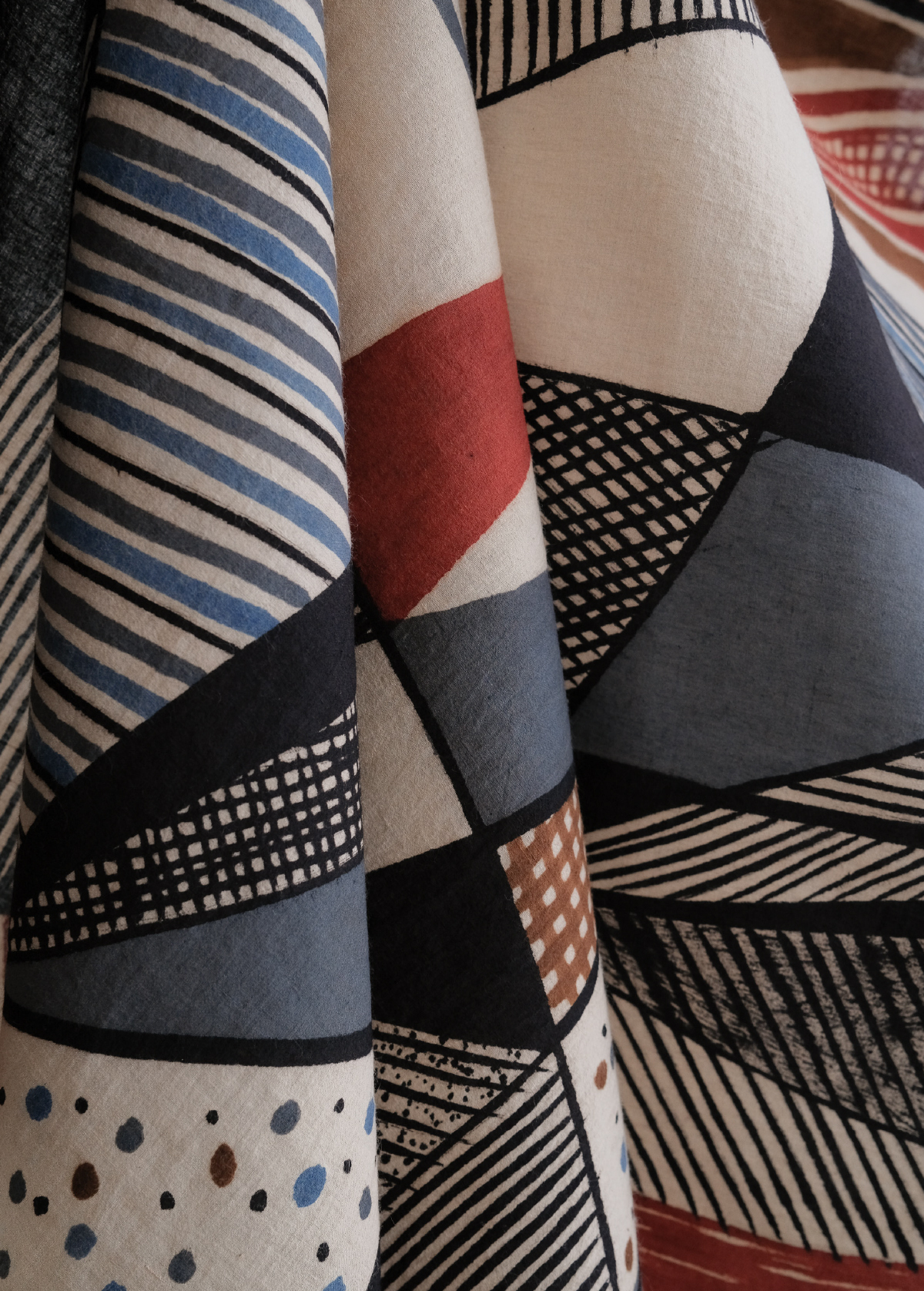
Hand painting cloth with natural dyes is an ancient art. In India it is known as kalamkari, which means "pen work". The freedom to place natural colour in a painterly way requires considerable skill and natural dye knowledge. 

These contemporary works are the genius of Bengali artist Silpinwita Das, daughter of the famous kalamkari painter Ajit Das. Silpinwita's works are inspired by folk art and her studies of the landscape of Santinikan, which she describes as "red soil, and meadows of lush green paddy fields, where rows of chhatim trees and palms charmed me from the very beginning."

Silpinwita Das has named her work "Haridra". In Sanskrit, “haridra” means yellow, the colour of sunlight, warmth and spirituality. Each work is unique, distinct and entirely hand made. Each brings life and movement wherever it is placed, styled as a shawl, hung on a wall, or draped across a table.

The colour pallet is achieved with natural dyes; the black colour is created through a fermentation process using scrap iron, molasses, mahua flower, chickpea flour and betel leaf. Other colours come to life with Indian madder root, catechu (cutch), indigo, marigold flowers, pomegranate rinds, turmeric and myrobalan. 
 

Each shawl is one-of-a-kind. There is only one of each design.


See All Shawls Here


Read more about Silpinwita Das


See All Shawls Here


NATURAL DYE EXTRACT KIT

This kit includes 60ml Synthrapol soap for scouring, 100g Gallnut Extract, 250g of Alum, 100g Soda Ash for mordanting and 10g each of these natural dye extracts: Chestnut, Cochineal, Cutch, Fustic, Lac, Logwood, Madder Rich, Quebracho, and Weld. Maiwa's Guide to Natural Dyes is included with the Kit.

Extracts easily dissolve in water and are so concentrated that only a small amount is needed.  Great to use on all natural fibres.


See the Natural Dye Extract Kit Here


To our U.S. customers – don't forget that the exchange rate works in your favour, it's like an extra discount.

Tuesday, September 20, 2022 No comments


Shown: Katazome Card by Yukiko Blackwell


KATAZOME

"Katazome" is a rice-bran paste resist. It is applied through a stencil which has been cut from mulberry paper. Such stencils are known as "katagami". Because the act of cutting the stencil is an art equal to the act of dyeing, both katazome and katagami are arts in their own right.

The same katazome paste resist can be applied using a cone made from washi paper. If a cone is used it is called "tsutsugaki." In both cases once the paste resist has dried the cloth may be dyed using natural dyes. 

See all Katazome Supplies Here

See all Japanese Supplies


See all Brushes


These art cards have been created using a centuries-old Japanese stencil dyeing technique known as 'Katazome'. This practice has been traditionally used to create the intricate patterns found on kimonos. Each design is an original art piece, inspired by the flora and fauna of both Yuki's native Japan, and her current home on the Sunshine Coast of British Columbia, Canada. 

Each card is created using all natural materials. The fragrant smoked mulberry paper in which the stencils are carved, the rice bran paste used as a colour resist, and the natural dyes applied onto the handwoven linen are all veritable feasts for the senses. 

Made by Yukiko Blackwell - Blue Leaf Textile Studio - Sunshine Coast, BC.


See all Katazome Cards


Each card is created using all natural materials. The fragrant smoked mulberry paper in which the stencils are carved, the rice bran paste used as a colour resist, and the natural dyes applied onto the handwoven linen are all veritable feasts for the senses.


NATURAL DYE EXTRACT KIT


See the Natural Dye Extract Kit Here


EARTH PIGMENTS KIT


See the Earth Pigments Kit Here

See Maiwa's Natural Dyes Here


To our U.S. customers – don't forget that the exchange rate works in your favour, it's like an extra discount.

Thursday, September 15, 2022 No comments


BOOKS THAT INSPIRE US
TEXTILES, PATTERN DRAFTING, PRINTING & MORE

Limited Quantities

An encounter with the right book can change your life. We've had that happen to us — and so we have put together a collection of rare books that have the power to change your world.
Tuesday, September 13, 2022 No comments


YOU CARRY IT WELL

The necessities of life — sometimes they are better contained inside something that is...well...a little more stylish. Laptops, hard drives, cables, earbuds all can be packed away into a handmade leather pouch. As we often say, these leather items age heroically. Daily use makes them take on a noble character, just like the tools these artisans use to make these items. An embroidered pouch is another option that adds colour, pattern, and stitch to your day. 
Friday, September 09, 2022 No comments


Green to Blue in an Afternoon
with Persicaria Tinctoria


See the Full Journeywoman Collection Here


Before dawn breaks we are out in the dye garden leaning over the beds of persicaria tinctoria. Everything is deep green. This robust plant is also known as Japanese indigo and the seeds are sometimes listed for sale under the name polygonum tinctorium. This is the same plant that is used in the Sukomo process mentioned in Takayuki Ishii's book "The Way of Indigo" 


Maiwa maintains a number of beds of persicaria to test planting and growing strategies. We look at different techniques to measure, not only the vitality of the plants, but also the yield and quality of the dye. We work with different extraction methods and some ways to direct dye cloth and garments.


We mix fresh leaves, the cloth to be dyed, and a little salt. It takes about half an hour of constant squeezing and squishing to obtain a strong even coverage. This techniques is called fresh leaf dyeing — and it is very satisfying. You can harvest your leaves in the morning and dye a garment the same day.


This technique - sometimes called the salt rub method - is easiest on silks, but it will work on any fibre that will take natural dyes. We've done it light and dark and also combined it with weld and marigold grown in our dye garden to produce these gorgeous teals.


DYEABLE CLOTHING & BLANKS


See All Dyeable Clothing

See All Blanks

See All Yardage


See all of Maiwa's Natural Dyes


OUR WEBSITE DEDICATED TO NATURAL DYES

Visit Maiwa's naturaldyes.ca Here


This journal has been an idea of ours for a long time. It is a little like a combination of a travel journal and a natural dye journal. It is the journal we have always wanted!

See The Natural Dye Journal Here


To our U.S. customers – don't forget that the exchange rate works in your favour, it's like an extra discount.

Wednesday, September 07, 2022 No comments

A Numbered, Limited Edition Book.


Indigo and Sukomo

For artisans who live in temperate regions. Persicaria tinctoria is the plant that holds the greatest promise of giving indigo blue. Traditional Japanese extraction techniques, known as Sukomo, have historically been practiced using a harvest of hundreds of kilos of persicaria. 

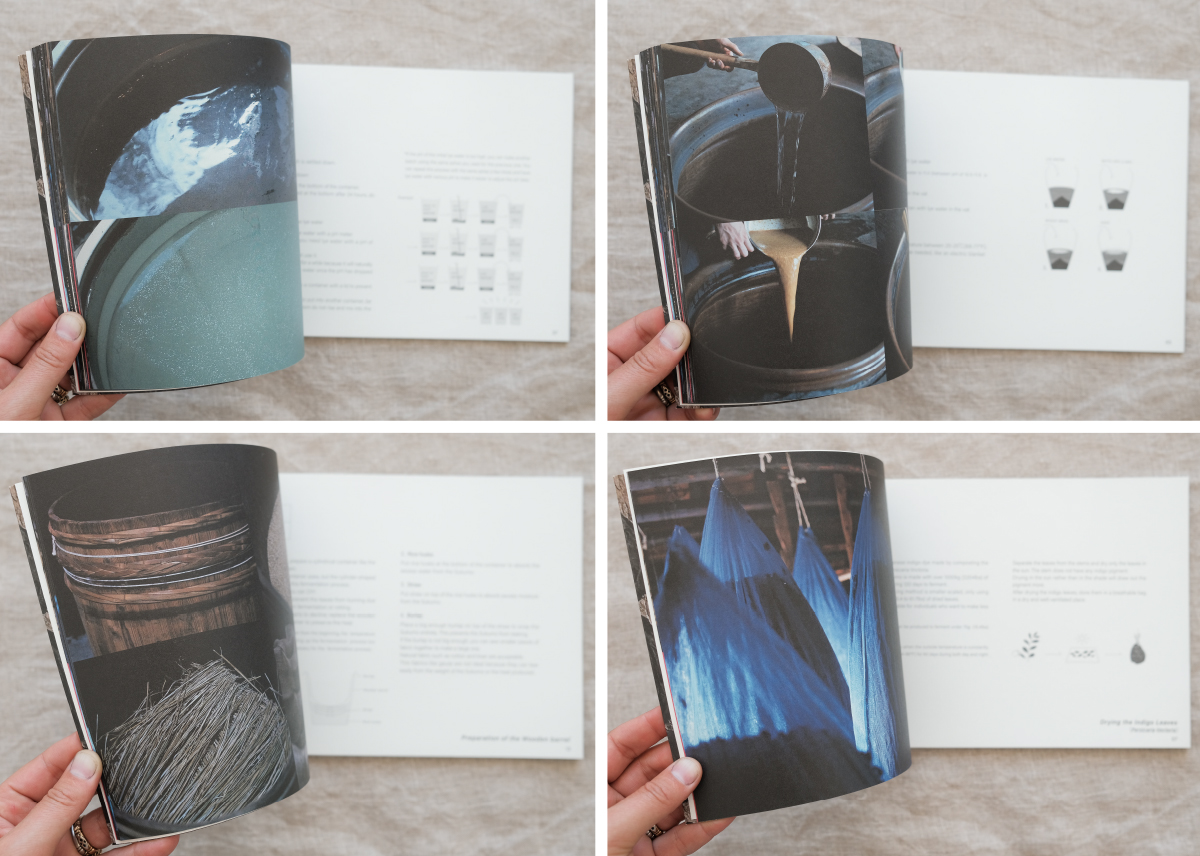
 Artisan Takayuki Ishii has spent over ten years experimenting and refining an alternative extraction method which can be accomplished with a modest harvest of only 7 kilos of dried leaves. In order to share this technique and the wonder of Sukomo, Takayuki Ishii has published this beautiful guide.

"The Way of Indigo" contains evocative photography of the process, as well as clear diagrams and instructive text.

As Takayuki Ishii says:
"Once you are introduced to the world of natural Sukumo indigo dyeing, I guarantee that you will not want to dye with indigo using any other method." 

"I hope your way of indigo will be brightly lit.”

The book is 56 pages and approximately 10 x 7 inches. It includes one tipped in sheet of a Sukomo imprint on washi paper with the artisan's mark. This rare book deserves to be on every dyer's bookshelf. These are limited copies remaining of this rare book.


See the Way of Indigo Here


A healthy crop of periscaria tinctoria ready for harvest. These are the same plants that Takayuki Ishii grows and uses for his Sukomo. This batch was photographed in late summer at the Maiwa Dye Garden, located in the Pacific Northwest, about 50 kilometres from Vancouver, BC.


Sometimes, if the conditions are exactly right, persicaria plants betray the blue secret lurking within the leaves.


The lush, green harvest, collected early in the morning.


Maiwa's dried persicaria leaves at the end of the season. The leaves crinkle and rustle as they are taken down and stored for the winter.


Want to know more about the Maiwa Dye Garden?

SCENES FROM THE 
MAIWA DYE GARDEN

Maiwa has been growing dye plants for over 25 years. We grow them to understand the nature of each plant, how it transforms light, water, air and soil into a potent source of colour. 


Watch - Scenes from the Maiwa Dye Garden

Each year we run tests on as many variables as we can. We are looking to study germination rates, best methods for planting and transplanting, soil health, propagation strategies, the influence of growing conditions on the colourant yield strength and quality. We compare varieties and test some common assumptions about growing. We are looking at these on the scale of small growers in order to encourage the use of plant-based colour by artisan dyers. 

The dye garden is part of our larger strategy to systematically test recipes for all natural dyes and mordanting techniques on as many fibres as possible. We share the tried and true recipes on our natural dye website (naturaldyes.ca) and we share the principles and fundamentals as free lessons on our teaching platform (maiwa.teachable.com) where we also offer an in-depth learning experience through paid workshops for those studying natural dyes and the textile arts.


See The Maiwa Guide to Natural Dyes Here

Visit naturaldyes.ca Here


To our U.S. customers – don't forget that the exchange rate works in your favour, it's like an extra discount.

Thursday, September 01, 2022 No comments
Newer Posts
Older Posts

Subscribe to our mailing list

* indicates required
Send me emails about Maiwa

Labels

Bags & Pouches Bandanas Banjara Bedding Bengal Weaving Block Print Dyeable Blanks Dyeable Clothing Embroidery Embroidery Supplies Exhibition Free Resources Handwoven Interiors Jawaja Carpets Jawaja Leather Kala Cotton Lecture Maiwa Books Maiwa Foundation Maiwa School of Textiles Merchant & Mills Natural Dye Kits Natural Dyes Quiet Manifesto Quilts & Blankets Scarves & Shawls Slow Clothes Table Cloths & Napkins Travel Yardage indigo

About Maiwa

Find out Who We Are ...

Voices On Cloth

Maiwa Podcasts


Maiwa Podcasts

Follow Us

Popular Posts

  • Natural Dyes - About The Organic Indigo Vat
    The Maiwa Guide to Natural Dyes What they are and how to use them These organic vats were originally developed by French dye chemist and...
  • Natural Dyes - Mordants Part 1
    The Maiwa Guide to Natural Dyes What they are and how to use them We've divided the section on Mordants into three parts. We start...
  • Natural Dyes - Scouring
    The Maiwa Guide to Natural Dyes What they are and how to use them Proper scouring is absolutely essential to good dyeing. Improperly sc...
  • Natural Dyes - Mordants Part 3
    The Maiwa Guide to Natural Dyes What they are and how to use them Cotton mordanted with alum. How To Mordant Here we give the pro...
  • Natural Dyes - Mordants Part 2
    The Maiwa Guide to Natural Dyes What they are and how to use them In our previous post we explained why mordanting was necessary and l...
  • Natural Dyes - Indigo, The Fruit Vat
    The Maiwa Guide to Natural Dyes What they are and how to use them This post give the recipe and procedure to make an organic indigo vat...
  • Natural Dyes - Indigo
    The Maiwa Guide to Natural Dyes What they are and how to use them Natural indigo is obtained from indigo bearing plants, the most si...

Blog Archive

  • ▼  2026 (95)
    • ▼  November (4)
      • Celebrating 40 years of Maiwa — 20% Off Our Shawl ...
      • 40 years of Craft – The Hands — 20% Off Our Shawl ...
      • A Quiet Manifesto – Celebrating 40 Years of Maiwa ...
      • Celebrating 40 Years of Craft – The Home — 20% Off...
    • ►  October (10)
    • ►  September (11)
    • ►  August (8)
    • ►  July (9)
    • ►  June (9)
    • ►  May (10)
    • ►  April (10)
    • ►  March (9)
    • ►  February (6)
    • ►  January (9)
  • ►  2025 (115)
    • ►  December (11)
    • ►  November (11)
    • ►  October (11)
    • ►  September (9)
    • ►  August (11)
    • ►  July (11)
    • ►  June (8)
    • ►  May (9)
    • ►  April (10)
    • ►  March (7)
    • ►  February (8)
    • ►  January (9)
  • ►  2024 (108)
    • ►  December (11)
    • ►  November (9)
    • ►  October (9)
    • ►  September (8)
    • ►  August (11)
    • ►  July (9)
    • ►  June (6)
    • ►  May (9)
    • ►  April (10)
    • ►  March (8)
    • ►  February (9)
    • ►  January (9)
  • ►  2023 (108)
    • ►  December (12)
    • ►  November (6)
    • ►  October (9)
    • ►  September (8)
    • ►  August (12)
    • ►  July (8)
    • ►  June (9)
    • ►  May (9)
    • ►  April (9)
    • ►  March (9)
    • ►  February (8)
    • ►  January (9)
  • ►  2022 (111)
    • ►  December (13)
    • ►  November (9)
    • ►  October (8)
    • ►  September (9)
    • ►  August (11)
    • ►  July (8)
    • ►  June (9)
    • ►  May (9)
    • ►  April (9)
    • ►  March (10)
    • ►  February (8)
    • ►  January (8)
  • ►  2021 (105)
    • ►  December (9)
    • ►  November (9)
    • ►  October (9)
    • ►  September (8)
    • ►  August (8)
    • ►  July (8)
    • ►  June (11)
    • ►  May (9)
    • ►  April (10)
    • ►  March (8)
    • ►  February (8)
    • ►  January (8)
  • ►  2020 (94)
    • ►  December (11)
    • ►  November (12)
    • ►  October (11)
    • ►  September (9)
    • ►  August (7)
    • ►  July (9)
    • ►  June (7)
    • ►  May (8)
    • ►  April (9)
    • ►  March (4)
    • ►  February (1)
    • ►  January (6)
  • ►  2019 (69)
    • ►  December (7)
    • ►  November (4)
    • ►  October (6)
    • ►  September (11)
    • ►  August (3)
    • ►  July (5)
    • ►  June (4)
    • ►  May (5)
    • ►  April (5)
    • ►  March (7)
    • ►  February (5)
    • ►  January (7)
  • ►  2018 (71)
    • ►  December (6)
    • ►  November (5)
    • ►  October (14)
    • ►  September (6)
    • ►  August (5)
    • ►  July (5)
    • ►  June (6)
    • ►  May (7)
    • ►  April (5)
    • ►  March (2)
    • ►  February (5)
    • ►  January (5)
  • ►  2017 (73)
    • ►  December (6)
    • ►  November (8)
    • ►  October (11)
    • ►  September (10)
    • ►  August (7)
    • ►  July (7)
    • ►  June (4)
    • ►  May (5)
    • ►  April (6)
    • ►  March (3)
    • ►  February (4)
    • ►  January (2)
  • ►  2016 (47)
    • ►  December (4)
    • ►  November (4)
    • ►  October (5)
    • ►  September (12)
    • ►  July (2)
    • ►  June (2)
    • ►  May (4)
    • ►  April (2)
    • ►  March (3)
    • ►  February (5)
    • ►  January (4)
  • ►  2015 (136)
    • ►  December (5)
    • ►  November (35)
    • ►  October (13)
    • ►  September (12)
    • ►  August (3)
    • ►  July (5)
    • ►  June (5)
    • ►  May (19)
    • ►  April (28)
    • ►  March (3)
    • ►  February (3)
    • ►  January (5)
  • ►  2014 (93)
    • ►  December (1)
    • ►  November (2)
    • ►  October (10)
    • ►  September (10)
    • ►  July (1)
    • ►  June (4)
    • ►  May (26)
    • ►  April (27)
    • ►  March (3)
    • ►  February (3)
    • ►  January (6)
  • ►  2013 (112)
    • ►  December (2)
    • ►  November (1)
    • ►  October (7)
    • ►  September (8)
    • ►  August (8)
    • ►  July (5)
    • ►  June (3)
    • ►  May (11)
    • ►  April (52)
    • ►  March (3)
    • ►  February (5)
    • ►  January (7)
  • ►  2012 (108)
    • ►  December (5)
    • ►  November (5)
    • ►  October (8)
    • ►  September (10)
    • ►  August (3)
    • ►  July (6)
    • ►  June (2)
    • ►  May (25)
    • ►  April (27)
    • ►  March (7)
    • ►  February (5)
    • ►  January (5)
  • ►  2011 (126)
    • ►  December (4)
    • ►  November (3)
    • ►  October (11)
    • ►  September (9)
    • ►  August (3)
    • ►  July (6)
    • ►  June (5)
    • ►  May (39)
    • ►  April (23)
    • ►  March (8)
    • ►  February (8)
    • ►  January (7)
  • ►  2010 (123)
    • ►  December (8)
    • ►  November (8)
    • ►  October (6)
    • ►  September (11)
    • ►  August (7)
    • ►  July (9)
    • ►  June (16)
    • ►  May (17)
    • ►  April (15)
    • ►  March (10)
    • ►  February (7)
    • ►  January (9)
  • ►  2009 (141)
    • ►  December (7)
    • ►  November (11)
    • ►  October (13)
    • ►  September (10)
    • ►  August (12)
    • ►  July (11)
    • ►  June (11)
    • ►  May (29)
    • ►  April (32)
    • ►  March (5)