instagram facebook
Powered by Blogger.
  • About Us
  • Natural Dyes
  • Stores & Hours
  • maiwa.com
  • School of Textiles

the MAIWA JOURNAL


MAIWA ON THE ROAD
MEXICO and PERU

Thursday April 7 at 7:30 pm
In the Net Loft on Granville Island

Come to a Maiwa slideshow.
Compelling documentary photography of 
craft techniques, travel, and peoples. 
With a discussion of our travel route and itinerary.
There will be food and refreshments.

The main Maiwa Store will be open 
with a special discount of 20% off everything in the store. 
100% of all sales will go to the Maiwa Foundation.

No charge, but space is very limited.
Please RSVP to Maiwa
to hold a space.
maiwa@maiwa.com
604 669 3939


Net Loft, Granville Island
6-1666 Johnston Street, Granville Island,
Vancouver, BC Canada V6H 3S2
Tuesday, March 29, 2011 No comments
We have just polished up some wonderful cabinets that have arrived in a new shipment ...

We receive containers on a regular basis holding old furniture, carved doors & thresholds, teak cabinets, coffee tables, book cases, engraved water urns, ironwork chairs and tables, furniture handpainted by the renowned Abhi Shakar and Jetu Singh, and many other items both large and small.

All hardwoods are old or reclaimed.

Friday, March 25, 2011 No comments
Always check the ropes.
Two posts back we talked about Banjara Embroidery. We are picking up that thread again here.

It was already dark when we landed in Hubli, the closest airport to Hampi and Surya's Garden. We spent some time tying our luggage to the roof (some of it dislodged en-route, but never hit the ground, hanging, as it was, by the ropes). And we are off for a quick four or five-hour drive.
Wednesday, March 23, 2011 No comments

For those of you in the United Kingdom, the BBC has just broadcast (and enabled for on-line viewing until March 18th) an hour-long feature on the textiles of the Kutch Desert in Gujarat, India. Hosted by Griff Rhys Jones, it is very well done, beautifully filmed, and has many of recognizable names from our podcasts.
Tuesday, March 15, 2011 1 comments
Maiwa and the Maiwa Foundation have been trying to work with traditional Banjara embroidery for a number of years now. We've had a long and successful relationship with KMVS in the Kutch desert of Gujarat, and we've hoped to implement that model to the exquisite and bold Banjara embroidery.

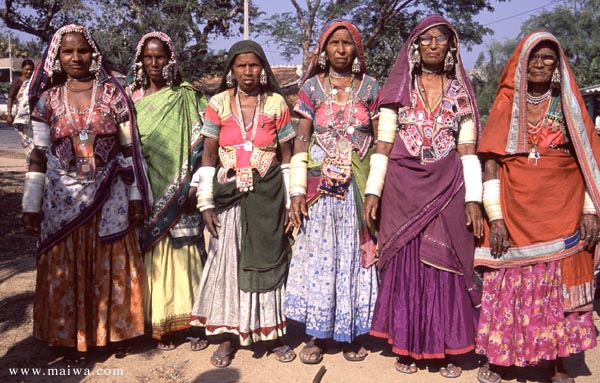
Banjara community visited in 2004.
The Banjara (sometimes called Lambani or Lambada) are a semi-nomadic people who reside mostly in Southern and Middle India. They share a common ancestry with the Roma. who migrated through the mountains of Afghanistan and settled in the deserts of Rajasthan. Since the 12th century, the Banjaras have gradually traveled down to the south and large numbers worked for the Moghuls transporting provisions and trading goods. They traveled with herds of thousands of pack bullocks, buying and selling sugar, salt, and grain. Their habit of living in isolated groups away from others, which was a characteristic of their nomadic days, still persists.
Saturday, March 12, 2011 No comments

When Maiwa wrapped up the masterclass on Feb 3rd we made a special announcement to the participating artisans.

The Masterwork Challenge.

Create a masterwork using skills or knowledge developed in the workshop for a value of 20,000 rupees. A single piece that will break new ground. The artisans have six months to complete the work. With an allowance for trans-atlantic shipping - that should mean that we can mount an exhibit of the finished pieces toward the end of the 2011 Maiwa Symposium.

What do you get when you give a challenge like this to a group of the best artisans in India? We don't know yet, and we can hardly wait to find out ...

Tuesday, March 08, 2011 2 comments

In this post we feature two of the artisans from the Aranya Natural Dye Unit. The Maiwa team touched down in Munnar (in state of Kerala located in the southern tip of India) after our visits to artisans east of Hyderabad, we scheduled some time with Victoria Vijayakumar and Aranya.

The works being made at Aranya are impressive by any standard, but there is an added element of wonder when one realizes that the artisans at Aranya are physically challenged and so unable to work in the area's largest industry - the tea plantations. In an effort to provide suitable employment for these individuals Tata Tea runs the Aranya Natural Dye Unit, a jam factory, and a paper making facility.
Friday, February 25, 2011 No comments
Kalamkari - printed with natural dyes.
As our car gets closer and closer to the ocean our main goal has been to connect with artisans who produce kalamkari blockprints. “Kalam” means “pen” and “kari” means “work.” – so the kalamkari is traditionally a form of decoration done with a stylus. Kalamkari have figures outlined in thin black lines.
Tuesday, February 22, 2011 2 comments
Out in the street a giant brush is used to starch the warps. 
The Maiwa team is now in the south of India. Once we leave Hyderabad we are off the tourist routes and our pauses for chai, dosa, or coconut water create a bit of a sensation. Our first stop is to visit one of the masterclass workshop participants, Shrinath, who barely had time to return from the masterclass before our rendezvous.
Saturday, February 19, 2011 1 comments

Kolkatta - easy to get around and a pleasure to visit.

The masterclass if over but we are going to keep giving updates on our trip; just the highlights - with a focus on textiles and dyes.
Monday, February 14, 2011 No comments

February 2, Day 6

Our last full day. In the dye studio Michel is concluding with one of the most challenging colours – black. Most blacks are made with a combination of tannin and iron, but iron can eat away at the fibre and so there is a strict limit on how much can be used to obtain a colour.
Wednesday, February 09, 2011 No comments

A strip of printing tests.
February 1, 2011 Day 5

This is the second-last day of the class. It seems that Bengali time passes much more quickly than regular time.

Yesterday, in addition to the woven shibori, Michel Garcia continued to teach natural dyes. Printing tests were done with ferrous - alum combinations, lac and cochineal to show a variety of shades. The blockprinter's dream? Deep rich colours with a clean white background - no easy thing as any printer can tell you.
Saturday, February 05, 2011 No comments

Catharine Ellis (far right) speaks to a group about woven shibori.
January 31 Day 4

Today is a special day because today some of us go along with Catharine Ellis to see and create some woven shibori. This is a technique whereby supplemental threads are added to either the warp or the weft. When the piece comes off the loom these threads will be pulled taut to crumple the cloth and then tied tightly to keep it crumpled as it is dyed. This will create a special resist pattern when the work is dyed.
Thursday, February 03, 2011 4 comments
Rural Bengal has many charms. One of them is the loudspeaker bicycle man who passes by just
before sundown. What is being broadcast over the loudspeaker? We wish we knew.

January 30, 2011

Today is mordant day. For those who are new to natural dyes, know this: dyes require that fibres be treated with a mordant if the dye is to live a long and joyous life on the cloth or yarn. Exceptions are substantive dyes (like walnut and tannins) that can bind directly unders some conditions. The plot thickens when we understand that for cotton the mordant will not stay with the fibre unless it is first treated with a tannin. Michel encourages us to think of this more complicated relationship in terms of friendship: the friend of my friend is also my friend. Cotton is friends with tannin, tannin is friends with the mordant, and the mordant is friends with the dye.
Wednesday, February 02, 2011 1 comments
January 29, 2011

Our first morning. Everyone is up early. In the cold predawn light we are getting organized.

Our workday begins with water. We have samples from all over India and some from Ethiopia. We test it for pH and then the presence of ferrous compounds and calcium. Any traces of iron are especially problematic as they will combine with tannins to make a black dye. Even without tannin, the presence of iron can sadden or dull other colours.


Monday, January 31, 2011 No comments
January 28, 2011

Today is the first day of the Maiwa Masterclass in Natural Dyes. The workshop was conceived by Charllotte Kwon as a way to gather experienced artisans from widely divergent backgrounds who are working in different techniques.

Artsans have come from as far away as Ethiopia, as close as the next lane of this village, and from all over India. Guiding the natural dye component of this workshop is Michel Garcia. On this first day he will gather the questions, problems and concerns of the artisans. This is a daunting task: some artisans, such as the blockprinters, are heavily constrained by their process. Washing their cloth in the middle of the procedure, for example, is not an option.

For others such as the ikat weavers, changing the order of dyes might result in a huge amount of extra work because they must tie entire lengths of yarns in order to resist the dye and get a certain colour.


Loading up before dawn, the bags are tied to the roof of the car.

Sunday, January 30, 2011 1 comments
Making a luxurious spread on the stone floor, Okar Lal Meghwal and Bhavari Devi Meghwal
 visit while sitting on a Jawaja flatweave in natural colours.
Many of you know the Artisan's Alliance of Jawaja (AAJ) for the leatherworkers. But there is another group behind AAJ that we'd like you to meet - the weavers. Our team (who recently arrived in India) drove the three hours from Bagur to visit both groups.
Tuesday, January 25, 2011 No comments


Sunday, January 23, 2011 No comments
1:30 am Team Maiwa hits New Delhi, India.
 (L-R) Sophena Kwon, Charllotte Kwon, Dani Bush, Jane Stafford and Gale Anderson-Palm.
Behind the camera Tim McLaughlin.

In January 2011 we packed our bags for six weeks in India. On this trip Maiwa staff (Charllotte, Sophena, Dani and Tim) will be joined by a number of special guests.
Friday, January 21, 2011 2 comments
A classic wool and silk shawl from the Avani co-operative in northern India.
The artisans live close to the Tibetan border where the Himalayas are clearly visible.
The morning we began working on this promotion it was cold and pouring with rain. Not uncommon in the Pacific Northwest and quite typical for the entire Vancouver winter. We wanted to present some of the best qualities of our shawls; the fact that they are such a cosy, warm, versatile solution to winter. But we didn't want to emphasize the leaden skies, or get soaked taking the pictures.
Wednesday, January 12, 2011 No comments

2011 is looking very good indeed.

Share|

Wednesday, January 05, 2011 1 comments
Newer Posts
Older Posts

Subscribe to our mailing list

* indicates required
Send me emails about Maiwa

Labels

Bags & Pouches Bandanas Banjara Bedding Bengal Weaving Block Print Dyeable Blanks Dyeable Clothing Embroidery Embroidery Supplies Exhibition Free Resources Handwoven Interiors Jawaja Carpets Jawaja Leather Kala Cotton Lecture Maiwa Books Maiwa Foundation Maiwa School of Textiles Merchant & Mills Natural Dye Kits Natural Dyes Quiet Manifesto Quilts & Blankets Scarves & Shawls Slow Clothes Table Cloths & Napkins Travel Yardage indigo

About Maiwa

Find out Who We Are ...

Voices On Cloth

Maiwa Podcasts


Maiwa Podcasts

Follow Us

Popular Posts

  • Natural Dyes - About The Organic Indigo Vat
    The Maiwa Guide to Natural Dyes What they are and how to use them These organic vats were originally developed by French dye chemist and...
  • Natural Dyes - Mordants Part 1
    The Maiwa Guide to Natural Dyes What they are and how to use them We've divided the section on Mordants into three parts. We start...
  • Natural Dyes - Mordants Part 3
    The Maiwa Guide to Natural Dyes What they are and how to use them Cotton mordanted with alum. How To Mordant Here we give the pro...
  • Natural Dyes - Scouring
    The Maiwa Guide to Natural Dyes What they are and how to use them Proper scouring is absolutely essential to good dyeing. Improperly sc...
  • Natural Dyes - Mordants Part 2
    The Maiwa Guide to Natural Dyes What they are and how to use them In our previous post we explained why mordanting was necessary and l...
  • Natural Dyes - Indigo, The Fruit Vat
    The Maiwa Guide to Natural Dyes What they are and how to use them This post give the recipe and procedure to make an organic indigo vat...
  • Natural Dyes - Indigo
    The Maiwa Guide to Natural Dyes What they are and how to use them Natural indigo is obtained from indigo bearing plants, the most si...

Blog Archive

  • ▼  2026 (86)
    • ▼  October (5)
      • New Bandanas Have Just Arrived — Hand Block Print...
      • Undyed at its Finest — New Journeywoman Sets — Th...
      • New Collection of Silk Mumbai Block Prints — Hand ...
      • Last Chance Before Registration Closes — Maiwa Sch...
      • Our Studio Jacket is Back! — Handwoven & Naturall...
    • ►  September (11)
    • ►  August (8)
    • ►  July (9)
    • ►  June (9)
    • ►  May (10)
    • ►  April (10)
    • ►  March (9)
    • ►  February (6)
    • ►  January (9)
  • ►  2025 (115)
    • ►  December (11)
    • ►  November (11)
    • ►  October (11)
    • ►  September (9)
    • ►  August (11)
    • ►  July (11)
    • ►  June (8)
    • ►  May (9)
    • ►  April (10)
    • ►  March (7)
    • ►  February (8)
    • ►  January (9)
  • ►  2024 (108)
    • ►  December (11)
    • ►  November (9)
    • ►  October (9)
    • ►  September (8)
    • ►  August (11)
    • ►  July (9)
    • ►  June (6)
    • ►  May (9)
    • ►  April (10)
    • ►  March (8)
    • ►  February (9)
    • ►  January (9)
  • ►  2023 (108)
    • ►  December (12)
    • ►  November (6)
    • ►  October (9)
    • ►  September (8)
    • ►  August (12)
    • ►  July (8)
    • ►  June (9)
    • ►  May (9)
    • ►  April (9)
    • ►  March (9)
    • ►  February (8)
    • ►  January (9)
  • ►  2022 (111)
    • ►  December (13)
    • ►  November (9)
    • ►  October (8)
    • ►  September (9)
    • ►  August (11)
    • ►  July (8)
    • ►  June (9)
    • ►  May (9)
    • ►  April (9)
    • ►  March (10)
    • ►  February (8)
    • ►  January (8)
  • ►  2021 (105)
    • ►  December (9)
    • ►  November (9)
    • ►  October (9)
    • ►  September (8)
    • ►  August (8)
    • ►  July (8)
    • ►  June (11)
    • ►  May (9)
    • ►  April (10)
    • ►  March (8)
    • ►  February (8)
    • ►  January (8)
  • ►  2020 (94)
    • ►  December (11)
    • ►  November (12)
    • ►  October (11)
    • ►  September (9)
    • ►  August (7)
    • ►  July (9)
    • ►  June (7)
    • ►  May (8)
    • ►  April (9)
    • ►  March (4)
    • ►  February (1)
    • ►  January (6)
  • ►  2019 (69)
    • ►  December (7)
    • ►  November (4)
    • ►  October (6)
    • ►  September (11)
    • ►  August (3)
    • ►  July (5)
    • ►  June (4)
    • ►  May (5)
    • ►  April (5)
    • ►  March (7)
    • ►  February (5)
    • ►  January (7)
  • ►  2018 (71)
    • ►  December (6)
    • ►  November (5)
    • ►  October (14)
    • ►  September (6)
    • ►  August (5)
    • ►  July (5)
    • ►  June (6)
    • ►  May (7)
    • ►  April (5)
    • ►  March (2)
    • ►  February (5)
    • ►  January (5)
  • ►  2017 (73)
    • ►  December (6)
    • ►  November (8)
    • ►  October (11)
    • ►  September (10)
    • ►  August (7)
    • ►  July (7)
    • ►  June (4)
    • ►  May (5)
    • ►  April (6)
    • ►  March (3)
    • ►  February (4)
    • ►  January (2)
  • ►  2016 (47)
    • ►  December (4)
    • ►  November (4)
    • ►  October (5)
    • ►  September (12)
    • ►  July (2)
    • ►  June (2)
    • ►  May (4)
    • ►  April (2)
    • ►  March (3)
    • ►  February (5)
    • ►  January (4)
  • ►  2015 (136)
    • ►  December (5)
    • ►  November (35)
    • ►  October (13)
    • ►  September (12)
    • ►  August (3)
    • ►  July (5)
    • ►  June (5)
    • ►  May (19)
    • ►  April (28)
    • ►  March (3)
    • ►  February (3)
    • ►  January (5)
  • ►  2014 (93)
    • ►  December (1)
    • ►  November (2)
    • ►  October (10)
    • ►  September (10)
    • ►  July (1)
    • ►  June (4)
    • ►  May (26)
    • ►  April (27)
    • ►  March (3)
    • ►  February (3)
    • ►  January (6)
  • ►  2013 (112)
    • ►  December (2)
    • ►  November (1)
    • ►  October (7)
    • ►  September (8)
    • ►  August (8)
    • ►  July (5)
    • ►  June (3)
    • ►  May (11)
    • ►  April (52)
    • ►  March (3)
    • ►  February (5)
    • ►  January (7)
  • ►  2012 (108)
    • ►  December (5)
    • ►  November (5)
    • ►  October (8)
    • ►  September (10)
    • ►  August (3)
    • ►  July (6)
    • ►  June (2)
    • ►  May (25)
    • ►  April (27)
    • ►  March (7)
    • ►  February (5)
    • ►  January (5)
  • ►  2011 (126)
    • ►  December (4)
    • ►  November (3)
    • ►  October (11)
    • ►  September (9)
    • ►  August (3)
    • ►  July (6)
    • ►  June (5)
    • ►  May (39)
    • ►  April (23)
    • ►  March (8)
    • ►  February (8)
    • ►  January (7)
  • ►  2010 (123)
    • ►  December (8)
    • ►  November (8)
    • ►  October (6)
    • ►  September (11)
    • ►  August (7)
    • ►  July (9)
    • ►  June (16)
    • ►  May (17)
    • ►  April (15)
    • ►  March (10)
    • ►  February (7)
    • ►  January (9)
  • ►  2009 (141)
    • ►  December (7)
    • ►  November (11)
    • ►  October (13)
    • ►  September (10)
    • ►  August (12)
    • ►  July (11)
    • ►  June (11)
    • ►  May (29)
    • ►  April (32)
    • ►  March (5)